Our approach in the field consists of four key pillars:
- Innovations: Bringing together a global community of social innovators united by this shared purpose.
- Intelligence: Building a “Changemaker AI brain” to unlock insights and solutions from the largest network of environmental innovators worldwide.
- Architecture: Using this network and intelligence to transform systems of decision-making.
- Intelligence: Expanding these efforts to key institutions and sharing them widely.
We are currently focusing in the following priority areas.
Children & Nature
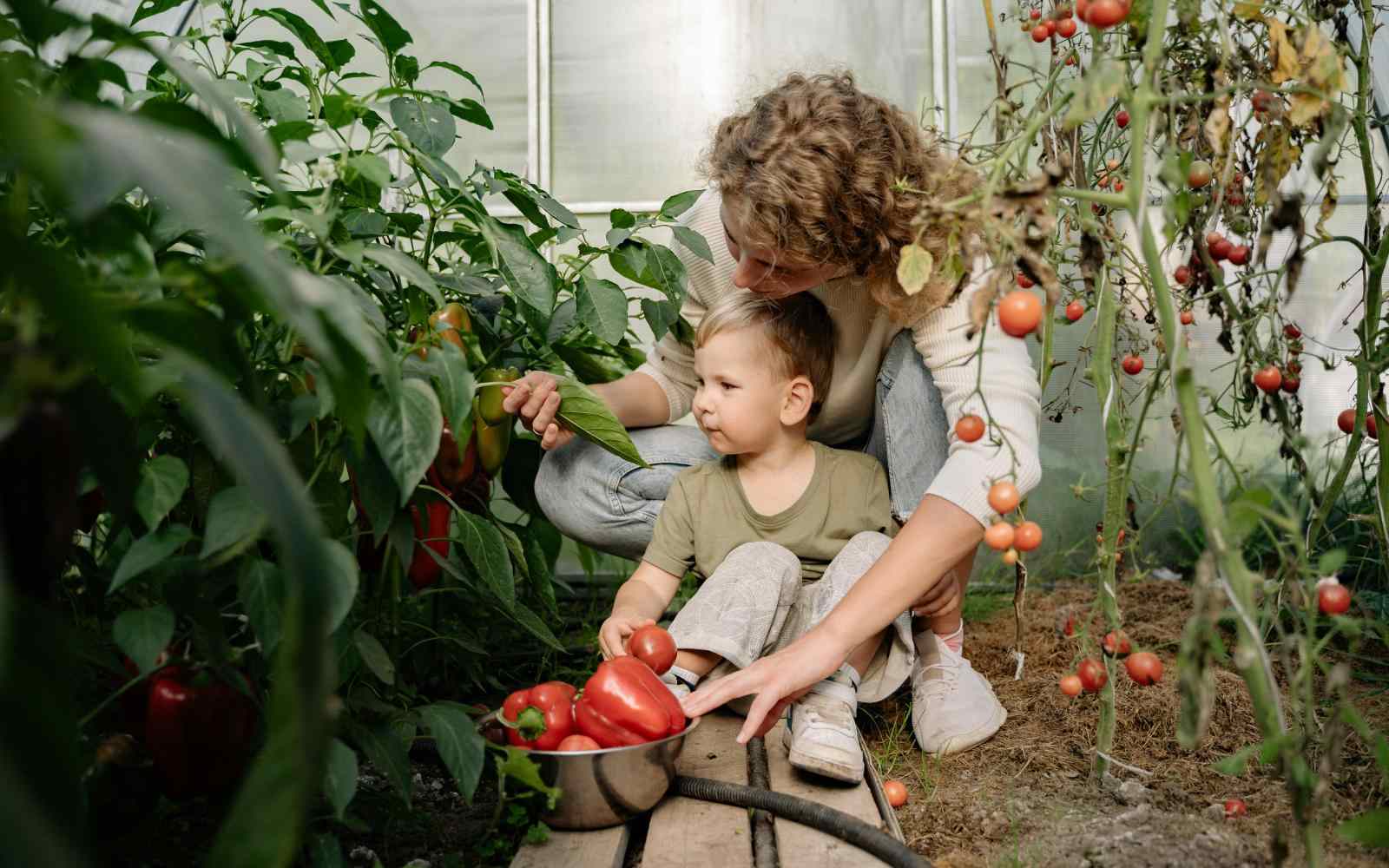
Protecting and strengthening children’s bonds with nature is essential to fostering lifelong environmental stewardship, resilience, and well-being, both individually and collectively. In a world that is increasingly urbanized, digital, and vulnerable to more extreme weather, Ashoka Fellows nonetheless persist in leading innovative efforts to integrate meaningful nature experiences throughout childhood.
Through transformations to education, community design, and beyond, they are rebuilding the innate connection between young people and the living world. And together they are working with Ashoka to develop new sets of measurements, policies, norms, and incentives to ensure every child emerges from childhood with their strong bond with nature intact.
Lifelong Environmental Agency
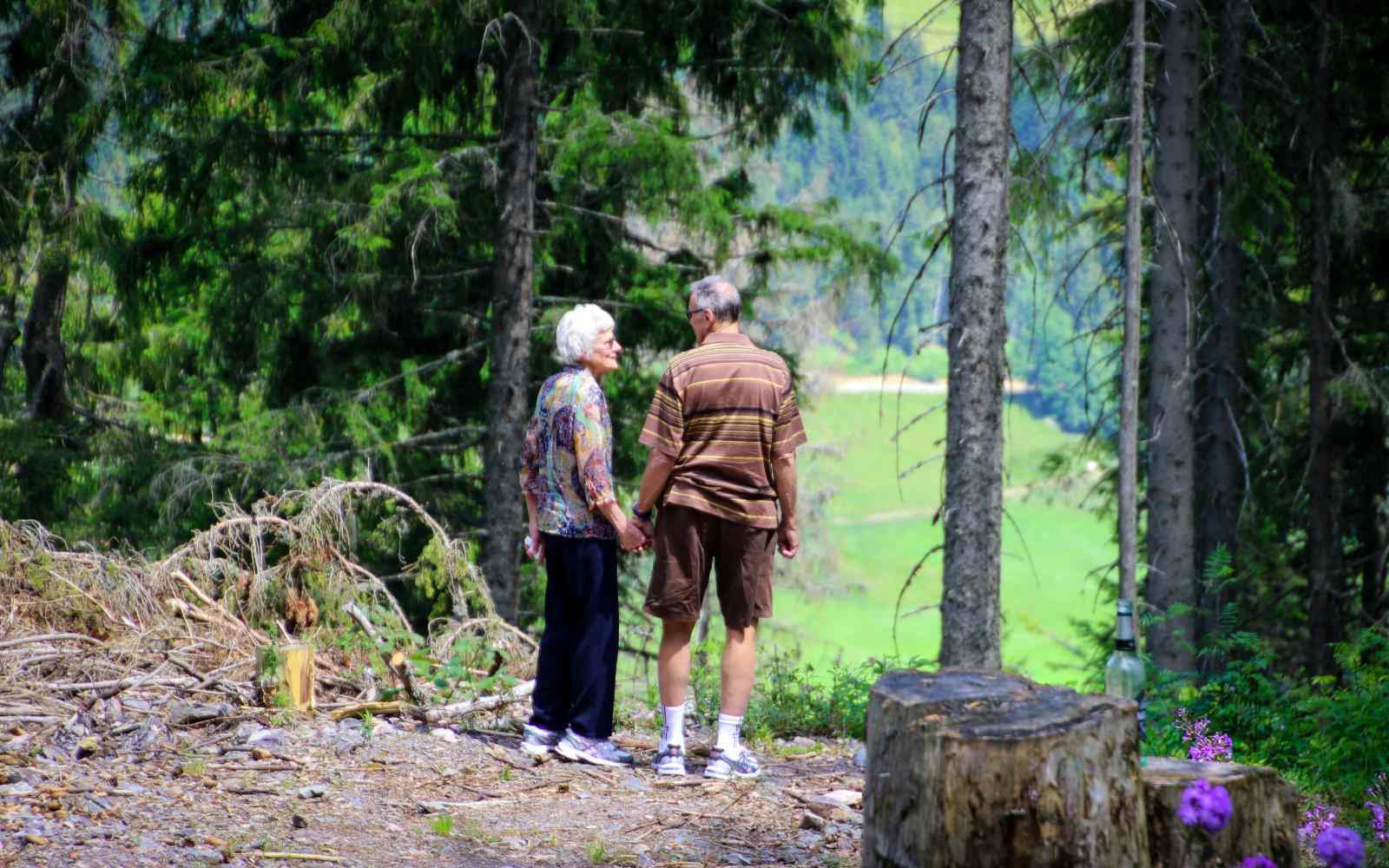
Ashoka Fellows are pioneering a new paradigm: one in which climate agency becomes a foundational civic capacity, cultivated from early childhood through old age. From rewilding schoolyards and reconnecting children with nature, to empowering elders as stewards of intergenerational wisdom, Fellows are building ecosystems where planetary health is not a side initiative, but the central organizing principle of society.
They are transforming education, finance, cities, and public policy to support this shift—making it possible for people of all ages to see themselves as protagonists of ecological renewal. Lifelong Environmental Agency means that sustainability is no longer episodic or siloed, but lived—through how we eat, move, vote, invest, learn, and lead. This is how we move from isolated climate campaigns to a culture of enduring climate responsibility—rooted in equity, connection, and joy.
Climate Narratives & Policy Change
To shift systems, we must first shift stories. Culture shapes what is politically possible, and climate action cannot advance if public discourse continues to reflect outdated paradigms of individualism, consumerism, and extractivism. At Ashoka, we believe that building a more regenerative future requires not only scientific data and policy advocacy, but also bold, compelling narratives that spark imagination, belonging, and collective agency. Traditional climate communication strategies have largely focused on correcting misinformation or publishing isolated investigative reports, without changing the broader cultural frameworks that drive behavior and belief. Ashoka Fellows show us a new path: from mobilizing massive digital communities to reshaping media standards, from training journalists under threat to making visible the stories of communities excluded from the climate conversation.
Through Shaping Climate Narratives, Ashoka will convene a vanguard of changemakers—journalists, storytellers, tech builders, and movement strategists—who are building the next media architecture. Together, we will co-create new strategies that harness social media, AI, and citizen participation to amplify constructive, inclusive, and justice-centered narratives. We will bridge the gap between citizen imagination and climate legislation, using the power of story to move public will, shift political priorities, and accelerate systemic change.

Reimagining Cities
The original promise of industrial-era cities was to liberate people from land-bound labor and offer new economic opportunities through factory work. Yet, this shift came at a steep cost—polluted air, degraded ecosystems, social fragmentation, and poor public health. Cities grew, but so did inequities and environmental harm. We need a new urban compact: one that doesn’t merely accommodate human activity, but actively enhances human and planetary well-being. Ashoka Fellows are pioneering this transformation. Across the globe, they are reimagining cities not as engines of consumption, but as engines of climate resilience, equity, and community well-being. Their work centers three principles:
- Nature as infrastructure: turning green corridors, wetlands, and urban forests into climate buffers.
- Justice as design: ensuring historically excluded communities co-create the spaces they live in.
- Community-led innovation: empowering residents to lead local adaptations—from cooling streets to rewilding schoolyards.
This is the future of cities: living systems designed by and for the people who inhabit them, where thriving communities and healthy ecosystems are no longer seen as trade-offs—but as mutually reinforcing foundations.

Insurance & Risks
As climate disruptions become more frequent and severe, traditional insurance models, designed to compensate for damage after it occurs, are no longer sufficient. From floods and wildfires to heatwaves and crop failures, communities across the globe face risks that are compounding and increasingly systemic. Insurance must evolve from a reactive safety net into a proactive tool for transformation, one that not only protects against loss, but also helps prevent it in the first place.
Ashoka Fellows are at the forefront of this transformation, redefining risk through community-led models, mutual aid systems, and nature-based solutions that build long-term resilience. Their work asks bold questions: What if insurance mechanisms were designed not just to transfer risk, but to reduce it? What if policies could catalyze upstream solutions, like ecosystem restoration, decentralized infrastructure, or inclusive early-warning systems, while generating sustainable demand and funding for social innovations? One of the next frontiers under exploration is precisely this intersection: climate, insurance, and social innovation.